Category Grinding Equipment
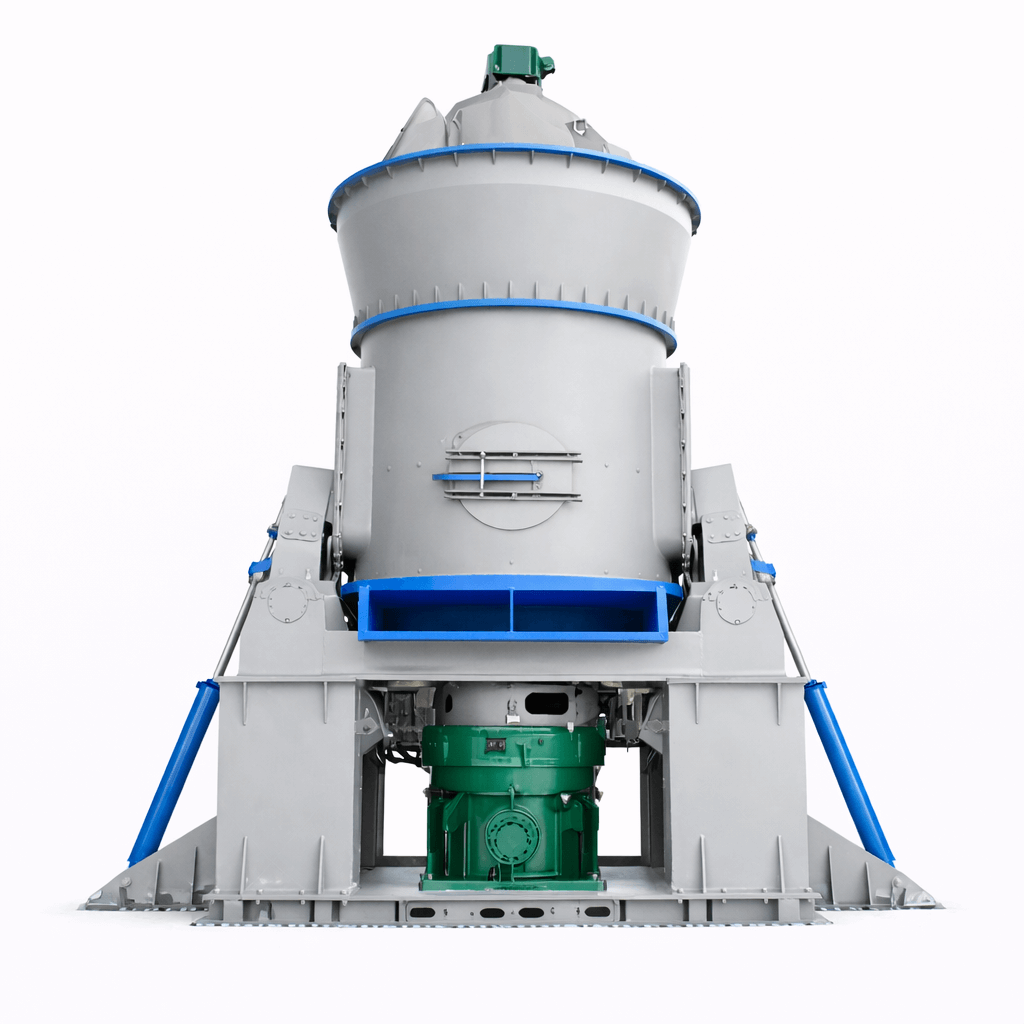
LM Vertical Grinding Mill
The LM Vertical Grinding Mill is an integrated grinding system that combines crushing, grinding, powder classification, drying, and material conveying into a single, compact unit. It is designed for large-scale, energy-efficient production with stable product quality and low operating costs.
Pricing Disclaimer: All pricing is subject to change and may be impacted by tariffs, duties, shipping rates, and international market conditions. Final pricing will be confirmed at the time of order placement and locked in once a purchase agreement is issued.
Share Product :
The LM Vertical Grinding Mill adopts advanced vertical roller mill technology to process raw materials directly on the grinding disc. Material is crushed, ground, dried, and classified within the same system, significantly reducing system complexity and footprint compared to traditional ball mill systems.
Thanks to its short material residence time and efficient powder selection, the LM mill delivers consistent particle size distribution, reduces over-grinding, and allows precise control of final product quality. The fully enclosed, negative-pressure operation ensures clean, environmentally responsible production.
Application
-
Metallurgy
-
Building materials
-
Cement and raw material preparation
-
Chemical engineering
-
Mining and mineral processing
Applicable Materials
Suitable for non-inflammable and non-explosive materials with Moh’s hardness below 9 and moisture content under 6%, including:
-
Limestone
-
Calcite
-
Marble
-
Talc
-
Dolomite
-
Bauxite
-
Barite
-
Petroleum coke
-
Quartz
-
Iron ore
-
Phosphate rock
-
Gypsum
-
Graphite
Key Features & Advantages
Small Occupational Area
The LM Vertical Grinding Mill requires approximately 50% less floor space than traditional ball-milling systems, making it ideal for plants with limited installation space.
Better Final Powder Quality
Short material retention time minimizes repeated grinding, enabling better control of particle size distribution and chemical composition.
Eco-friendly Production
The system operates under negative pressure with full sealing, preventing dust leakage and maintaining a clean production environment.
Lower Operating Costs
High grinding efficiency, strong drying capability, reduced wear of grinding components, and simplified maintenance significantly reduce energy consumption and operating expenses.
Performance Highlights
-
Capacity: 10–170 t/h
-
Maximum Feed Size: up to 50 mm
-
Minimum Output Size: up to 600 mesh
-
Process Integration: crushing, grinding, drying, classifying, conveying in one system
Why Choose the LM Vertical Grinding Mill
-
High throughput with stable, repeatable product quality
-
Reduced energy consumption compared to traditional grinding systems
-
Compact layout and simplified process flow
-
Environmentally responsible design suitable for modern industrial standards
Product Specification Disclaimer:
While Bros Dirt Diggers makes every effort to ensure product specifications and details are accurate, final equipment specifications are subject to manufacturer confirmation. Customers should verify all critical details before purchase.
Customize Your Own Crushing Plant Now
Fill your requirements here, and we’ll send the custmized solution and quotation to you by the reserved contact information.
Related Product
Get in Touch
We’re always here to help with your equipment and plant needs.
Send Us a Message
Tell us what you’re working on — our team will help you find the right equipment or solution.
572V+75W Octave, Arizona, USA
Call Center 1
541-513-4542
541-513-4542
Call Center 2
480-241-2454
480-241-2454
brosdirtdiggersllc@gmail.com